
.png?width=2146&height=704&name=Energize%20Marketing%20(92).png)
2026 Is the Year of the Pipeline Mandate
- Jan 20
- 2 min read
Updated: Jan 26
By Solange Deschatres

For a long time, demand generation lived in a comfortable gray area.
We optimized engagement. We reported on leads. We told stories about awareness, trust, and long-term brand value. And often, we were not required to draw a straight line from any of it to revenue.
As most of us in the trenches may be aware by now, that has changed.
2026 is the Year of the Pipeline Mandate.
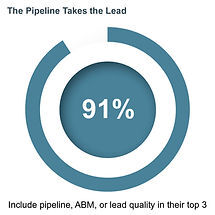
The 2026 State of Demand Generation Report by Energize Marketing® shows that most B2B demand gen teams now carry explicit pipeline targets, many for the first time. Pipeline is no longer something marketing influences. It is something marketing is expected to deliver.
That changes the job from "We Contribute" to "We Own It"
The mandate might even seem simple on paper, right? Show how marketing creates pipeline.
However, in practice, it’s a lot more complicated than expected.
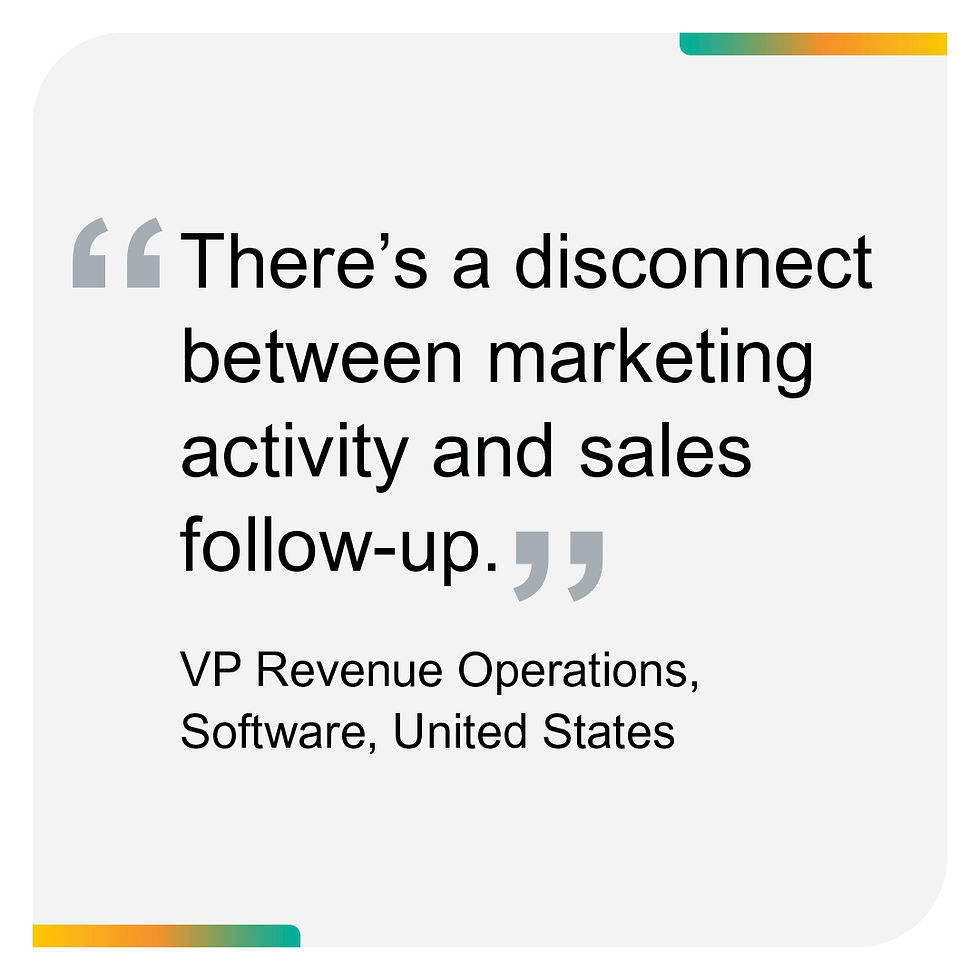
Buying cycles have stretched longer. Budgets are tighter. Leadership teams are asking harder questions. Demand gen programs are no longer evaluated on activity, engagement, or lead volume alone. Teams are being asked to defend strategy, spend, and headcount with pipeline data.
Demand gen has earned a bigger seat at the table. But that seat comes with real revenue accountability. Many teams were not built for that shift, at least not yet.
The Buying Reality No One Built Models For
Pipeline expectations are rising at the same moment buying behavior is getting harder to track.
The research shows:
• Buying committees are larger
• Stakeholders are harder to identify
• Engagement is split between anonymous and known buyers
• Journeys are long, nonlinear, and fragmented
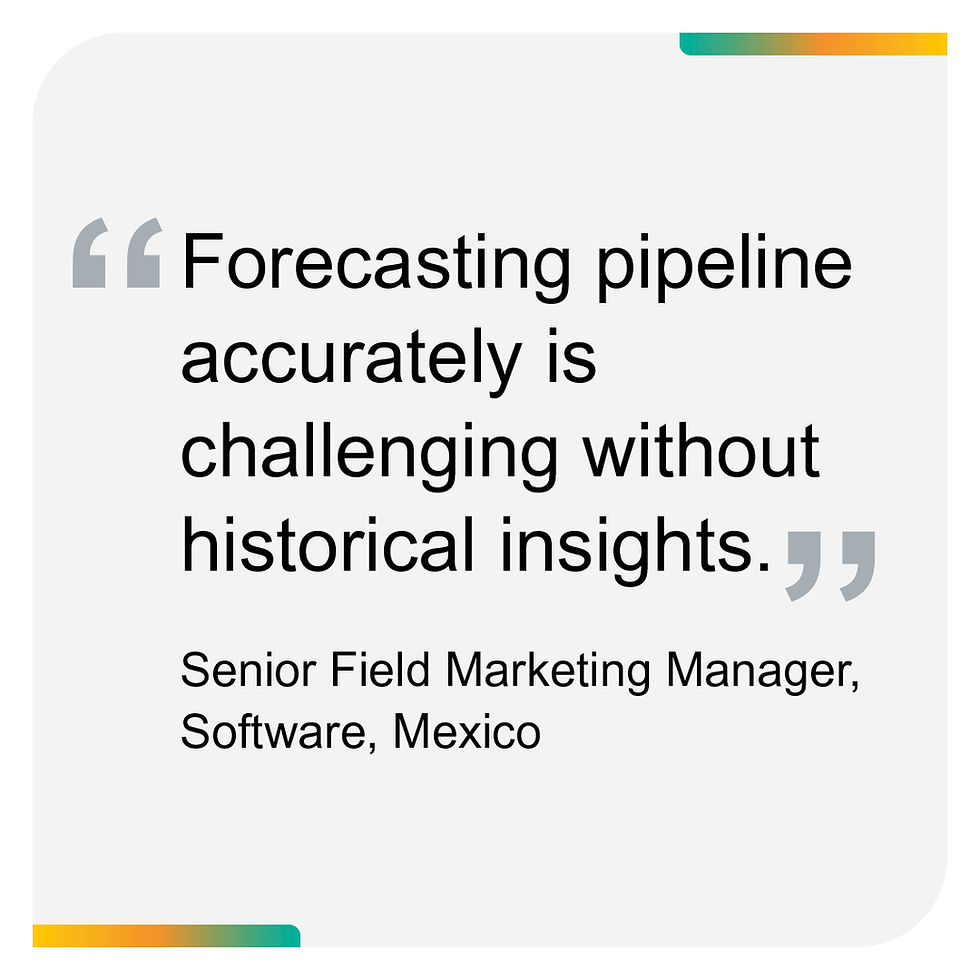
Demand gen teams are now accountable for pipeline created by groups, not individuals, across journeys they cannot fully see. Traditional lead models and attribution frameworks were never designed for this reality.
So, we end up in a tough spot. Expectations to produce pipeline are higher. The ways to prove how it is happening are fewer and messier.
If that feels familiar, you are not alone.
Where the Old Playbook Starts to Strain
This “Pipeline Mandate” is not breaking demand generation. It is revealing where the foundations were already shaky.
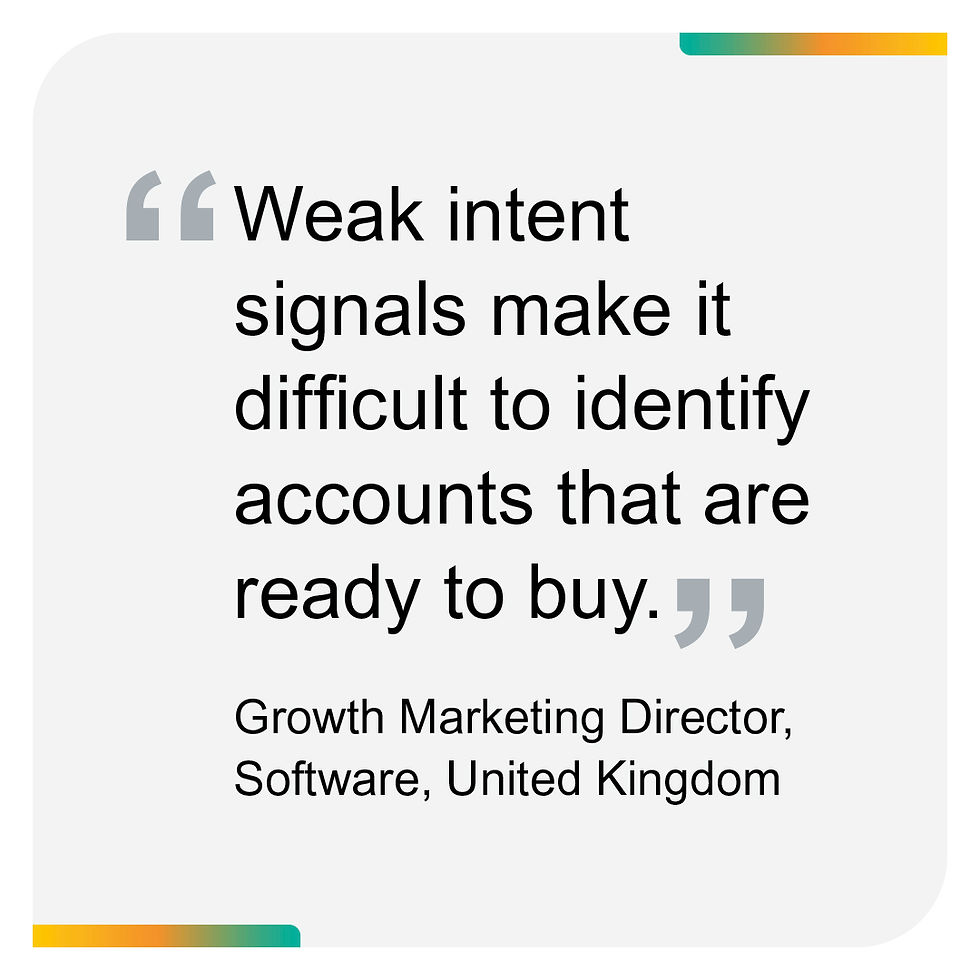
Lead-based models do not reflect deal momentum. Channel-first reporting hides real buyer behavior. Traditional attribution falls apart under committee decisions.
Most teams are not underperforming because they are ineffective. They are underperforming because the measurement systems around them no longer match how pipeline is actually formed.
That gap is now impossible to ignore.
A Defining Moment for Demand Generation
This is not a temporary trend. It is a structural shift in how marketing is evaluated.
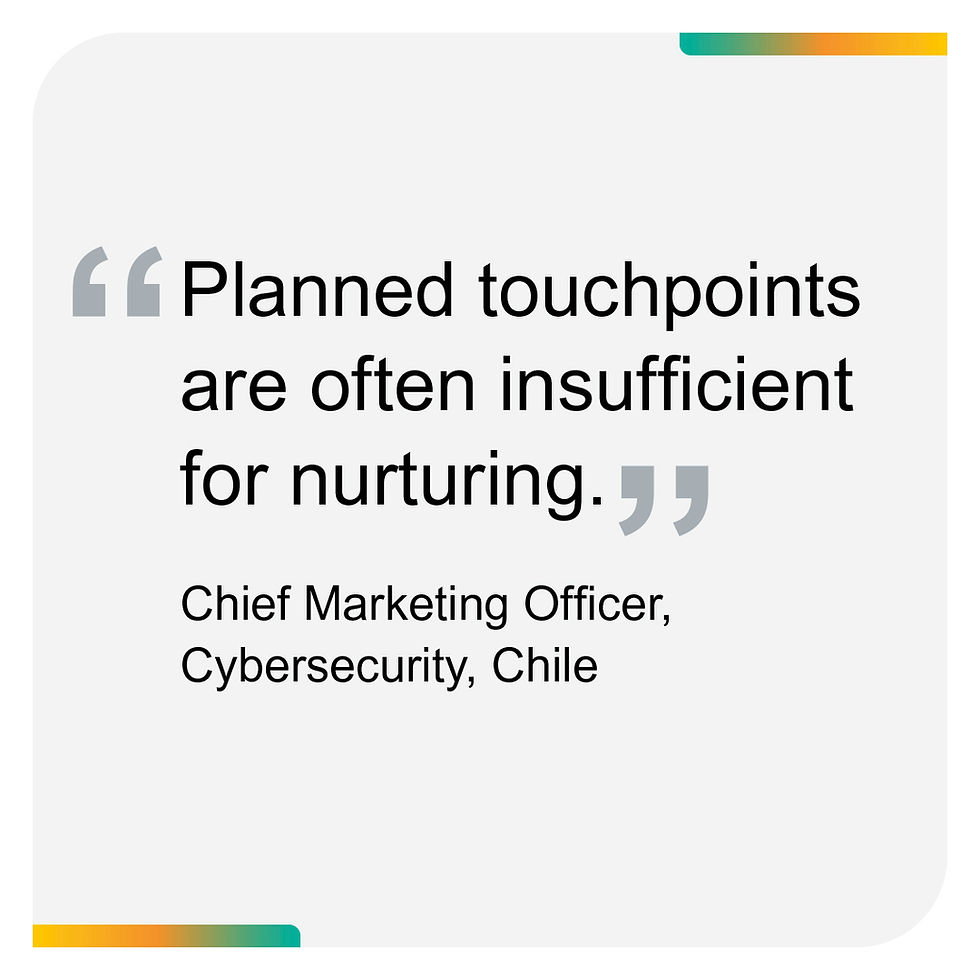
Some teams are already adapting, rethinking how demand is created, measured, and defended inside the business. Others are still trying to make legacy metrics stretch further than they were ever meant to.
The 2026 State of Demand Generation Report captures this inflection point. The pressure. The breakdowns. The new patterns shaping the next era of demand gen.
If 2026 is the year marketing’s responsibility for pipeline became non-negotiable, this report shows what that mandate actually means and what is at stake for teams that do not evolve.
Download the full 2026 State of Demand Generation Report to see how demand generation is being redefined under the Pipeline Mandate.